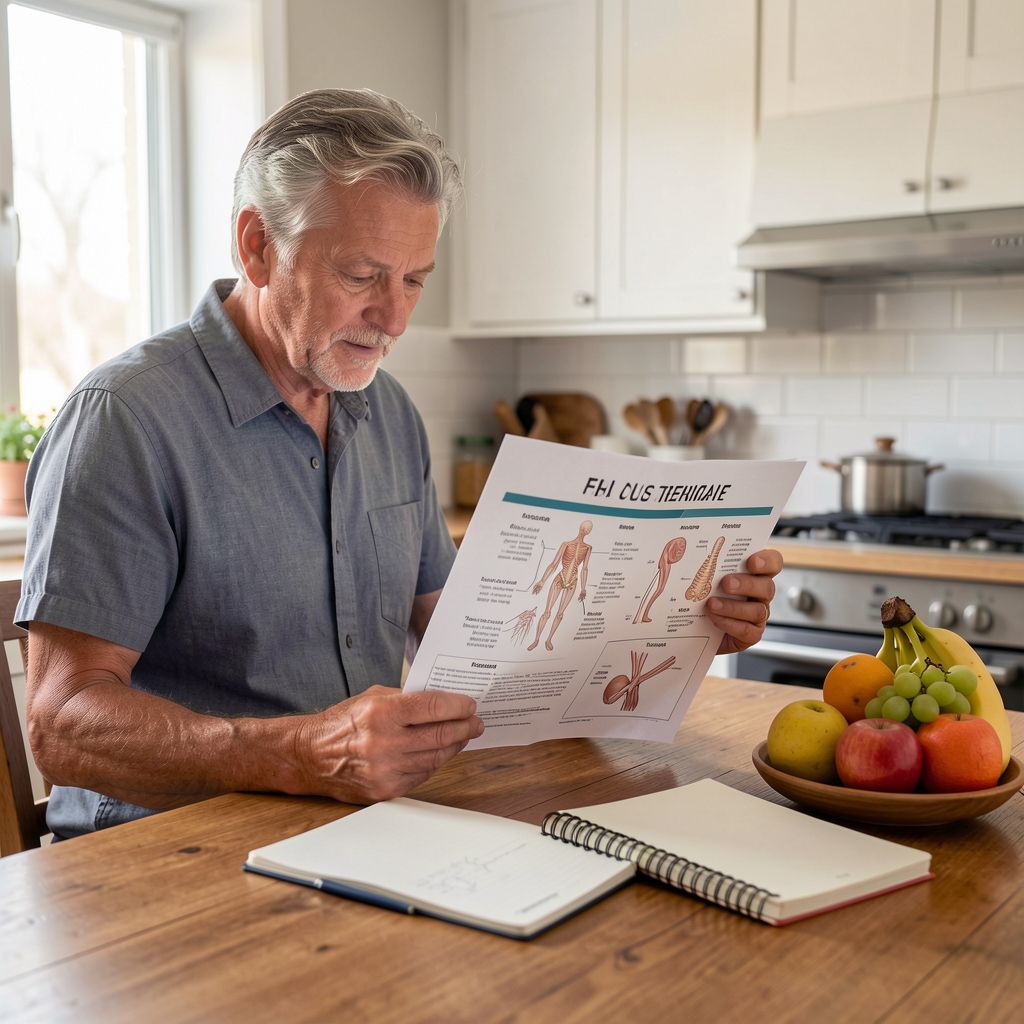

Bone density after 40 is often discussed as though one number tells the whole story. In reality, bone is living tissue that responds to age, movement, nutrition, hormones, genetics and the wider rhythm of daily life. This editorial overview introduces the vocabulary without turning a broad population pattern into a personal conclusion. It considers why measurements vary, how food and activity appear in research, and why a conversation with a qualified professional can add context that a general article cannot provide.
Bone as living tissue
Bone continually changes through a process of renewal. Cells remove small amounts of older material while other cells lay down new structure. During early adulthood, the balance is often favourable for building a strong framework. With age, the pace and balance can shift. That does not mean every person follows the same path, and it does not make a single age a dividing line.
What influences the picture
Family history, body composition, movement habits, food patterns, sunlight exposure and life stage all appear in discussions of bone wellness. Some influences are fixed, while others are part of an ordinary routine. Looking at the group rather than one isolated nutrient helps explain why editorial guidance should be read as context.
Measurement and language
A measurement is produced under defined conditions and should be interpreted with the method, reference group and timing in view. Different reports may use different terms, units or comparisons. A general article can explain vocabulary but cannot interpret an individual's report.
Everyday context
Walking, resistance work, varied meals, rest and confidence all sit within the wider story. A routine need not be elaborate to be worth examining. The useful question is often how the pieces fit together across time.